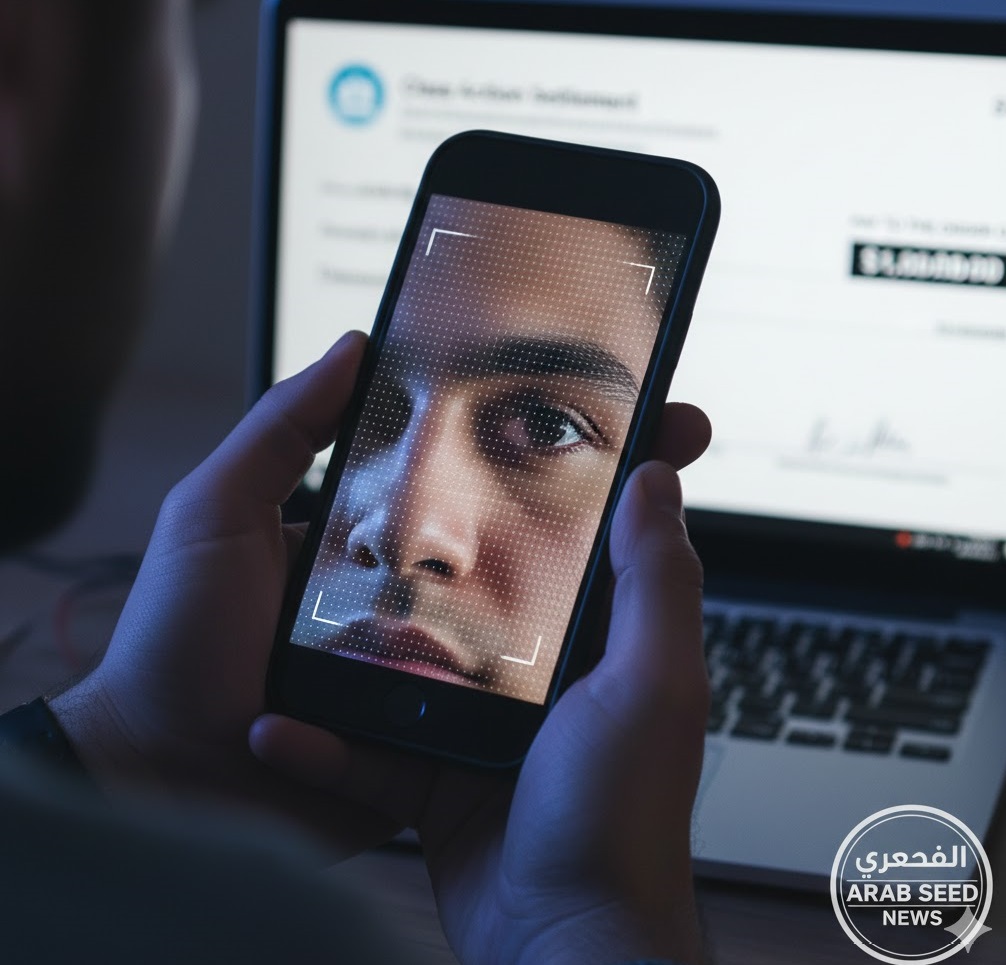
I remember the first time I set up Face ID on my iPhone. It felt like the future—fast, secure, and futuristic. But in 2026, that same “face map” has become one of the most targeted assets for hackers. Unlike a credit card that you can cancel, you only have one face. Once your biometric data is stolen, the breach is permanent.
This “permanence” is exactly why biometric lawsuits are currently resulting in some of the largest payouts in U.S. history. If you’ve been part of a data breach involving your facial or fingerprint data, here is the real market value of your biometrics in the legal world.
1. The “BIPA” Gold Mine
If you live in Illinois (or your data was processed there), you are sitting on a gold mine. The Biometric Information Privacy Act (BIPA) is the strongest law in the country. In 2026, we are seeing a record number of settlements because this law doesn’t require you to prove “actual harm”—just that your data was collected without your written consent.
2. What is Your Face ID Actually Worth?
In recent class-action settlements (like the landmark Meta $1.4 Billion settlement and Google’s $100 Million case), the “per-person” payout varies wildly based on the state and the intent of the company.
Biometric Compensation Market Value (2026)
| Type of Violation | Legal Payout Range | Estimated “Market Value” | My Take |
| Negligent Collection | $1,000 per person | $200 – $600 (After fees) | Common: For companies that “forgot” to get consent. |
| Reckless/Intentional | $5,000 per person | $1,500 – $3,500 | High Value: For companies that sold your face data. |
| Data Breach Theft | $100 – $5,000+ | Varies by actual damage | Complex: Depends if identity theft occurred. |
| Employee Timeclocks | $1,000 – $5,000 | $400 – $1,200 | Hot Trend: Suing former employers for finger scans. |
3. Why is the Value So High?
Lawyers argue that biometric theft is a “lifetime injury.” If a hacker steals your Face ID hash, they could potentially:
-
Bypass security on your future devices.
-
Create “Deepfake” identities for bank fraud.
-
Track your movement in public via facial recognition cameras.
Because you cannot “reset” your face, judges in 2026 are granting higher “liquidated damages” compared to standard email or password leaks.
4. How to Check if You Have a Claim
I’ve personally filed for three different biometric settlements in the last two years. Here’s the “pro” way to do it:
-
Search Your Email for “Notice of Class Action”: These often look like spam, but they are your ticket to compensation.
-
Use a “Settlement Tracker”: Sites like Top Class Actions or The Lyon Firm list active biometric cases.
-
Check Your “Screen Time” and App History: Did you use a “Face Aging” filter or a workplace finger-scan clock between 2015 and 2025? If so, you likely have a claim.
5. My Final Advice: The “Opt-In” Rule
In 2026, your biometrics are your most valuable digital currency. My rule of thumb is now: If they don’t explain how they store my face and when they will delete it, I don’t use the feature. A $500 check from a lawsuit is nice, but keeping your identity secure for the next 50 years is worth much more.
Related posts:
 How I Made $20,000 in One Month Using ChatGPT and Gumroad: A Complete 2026 Roadmap
 S26 Ultra Leak: Snapdragon 8 Gen 5 Elite Confirmed Elite Power & Secret Upgrades?
 Can I Sue an AI Company for Using My Copyrighted Content? My Experience Navigating the 2026 Legal Landscape
 8 Side Hustles for Introverts That Don’t Require Constant Selling (2026 Edition)