We’ve all been there: you spot a price tag, grab exactly enough cash, and head to the register—only to find out the total is higher than you thought. That “sticker shock” is a classic American experience because, unlike many other places, sales tax in the U.S. is almost never included in the price you see on the shelf.
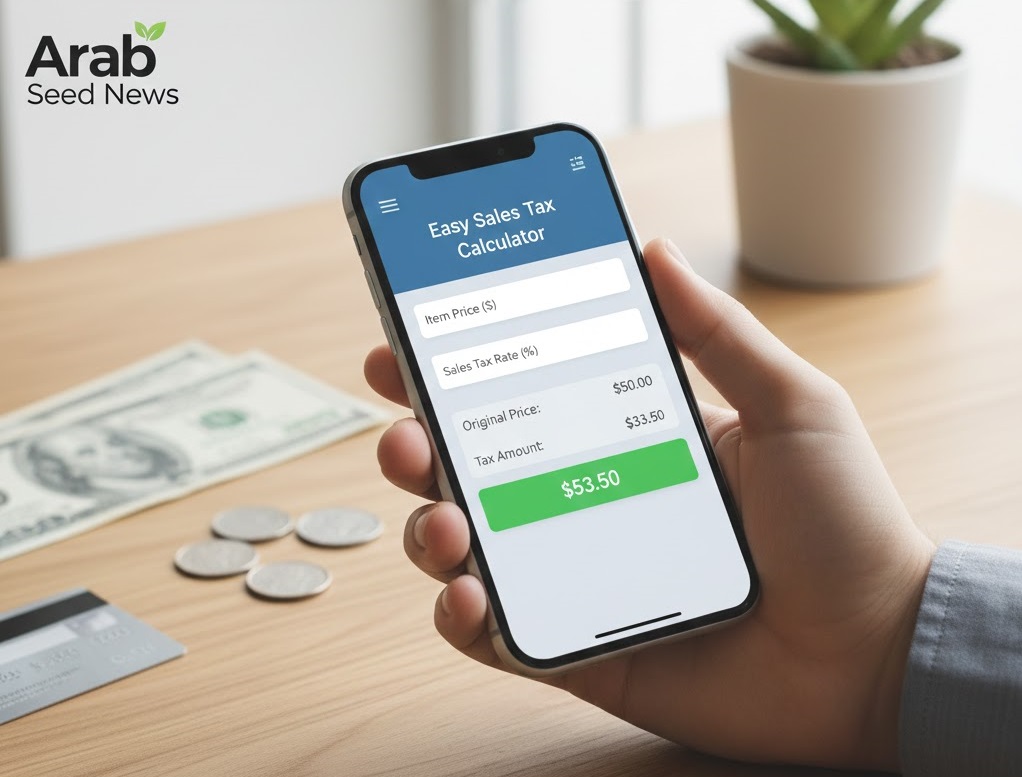
Whether you’re a business owner drafting invoices or just a shopper trying to stay on a budget, having a reliable Sales Tax Calculator is the best way to avoid those unexpected surprises at the checkout. In this guide, we’ll dive into why these rates change so much from state to state and show you how to figure out your true total in just a few seconds.
Why Sales Tax Varies So Much in the U.S.
The U.S. system is a bit more fragmented than the flat Value Added Tax (VAT) you might find in other countries. Your final total is actually built from a few different layers. First, there’s the State Tax, where most states have their own base rate—Florida, for example, is at 6% while California sits at 7.25%. On top of that, many Local and City Taxes add their own percentages. To make it even more complex, the Product Category matters too; depending on where you are, essentials like groceries or medicine might actually be tax-exempt. Because of these layers, a “7% tax” in one town could easily jump to “9.5%” just a couple of miles down the road.
How to Calculate Sales Tax Manually
If you don’t have a calculator handy, you can certainly do the math yourself. It’s a straightforward process, even if it gets a bit tedious with larger purchases. You just follow the formula: (Price × Tax Rate) + Price = Total Cost.
For example, imagine you’re buying a $1,000 laptop in a city with an 8.5% sales tax. First, you’d turn that percentage into a decimal ($0.085$). Multiply the price by that decimal to get your tax amount, which in this case is $85. Finally, add that tax back to the original price for a total of $1,085.
Looking for a Deal? The “NOMAD” States
If you are looking for a serious bargain, you might want to look into what are often called the “NOMAD” states. These five states are famous for not charging a general sales tax at all: New Hampshire, Oregon, Montana, Alaska (though keep in mind some local municipalities there might charge a small fee), and Delaware.
Frequently Asked Questions (FAQs)
-
Is sales tax calculated before or after discounts? In most places, you only pay tax on the discounted price. So, if a $100 jacket is on sale for $80, you’re only taxed on the $80.
-
Do I pay sales tax on online purchases? Most likely, yes. Following the 2018 Supreme Court ruling (Wayfair v. South Dakota), most online retailers are required to collect tax based on wherever the item is being shipped.
-
What exactly is a “Tax Holiday”? Many states host specific weekends, usually right before the school year starts, where they waive sales tax on items like clothes and school supplies to help families save some extra cash.
Final Thought: Accuracy Matters
When it comes to your money, guessing just doesn’t cut it. Our Sales Tax Calculator was built to give you the exact numbers you need, whether you’re balancing your personal shopping or your business books. Feel free to bookmark this page so you can always double-check the “true price” before you swipe your card.