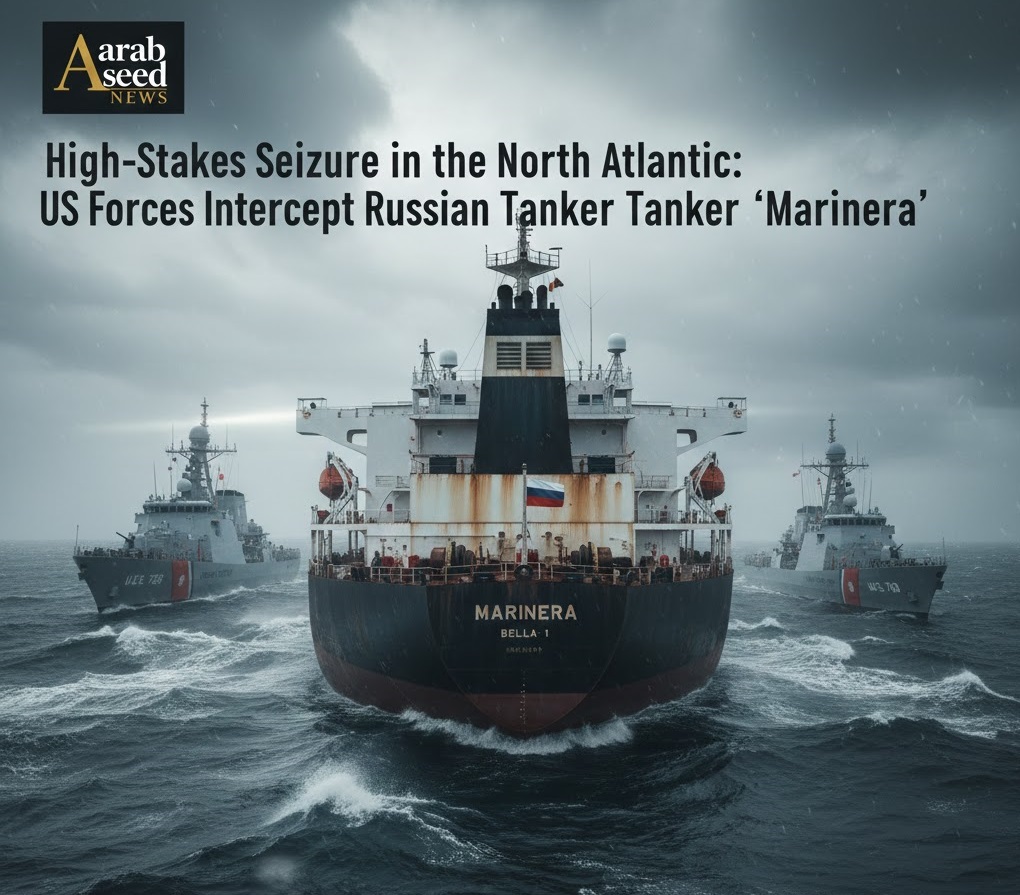
Geopolitical tensions just hit a new boiling point in the North Atlantic. In a move that has sent shockwaves through international maritime circles, Western forces have intercepted and detained a Russian-flagged oil tanker. The vessel, known as the Marinera (and previously identified as the Bella 1), was seized in a sophisticated operation led by the U.S. Coast Guard, with crucial strategic support from British naval intelligence.
As news of the seizure spreads, the world is looking for answers regarding the legal fallout and what this means for the future of global energy trade.
The Operation: How the ‘Marinera’ Was Caught
The interception unfolded in the notoriously rough waters of the North Atlantic—a region that has recently become a high-traffic zone for monitoring Russian naval movements. According to early reports, the USCGC Munro, supported by specialized tactical units, moved in on the Marinera after receiving intelligence that the ship was flouting international maritime laws.
The Marinera is widely believed to be a key player in the so-called “Shadow Fleet” (or Ghost Fleet). This is a shadowy network of aging tankers used by Moscow to dodge Western sanctions and price caps. To stay under the radar, these ships often engage in “identity masking”—frequently changing names (like the jump from Bella 1 to Marinera) to hide their history while transporting Russian crude to various global markets.
Why Did the US Seize the Vessel?
The core of this operation centers on the enforcement of aggressive economic sanctions. The Marinera was reportedly red-flagged for several major violations:
-
Sanctions Evasion: Authorities believe the tanker was carrying oil priced well above the G7-mandated price cap.
-
Identity Games: The recent name change is a classic “Shadow Fleet” tactic designed to confuse port authorities and bypass tracking systems.
-
Environmental Safety: These vessels often operate without standard international insurance. In the event of a crash or leak, they pose a catastrophic oil spill risk to the North Atlantic ecosystem.
Diplomatic Fallout: “Piracy” vs. “Law Enforcement”
The reaction has been swift and divided. While the Kremlin has yet to offer a full diplomatic statement, Russian state media is already labeling the incident “maritime piracy.” On the other side, Washington and London are standing firm, describing the seizure as a vital legal action to uphold international sanctions and cut off the funding sources for the conflict in Ukraine.
Maritime analysts note that the high-profile involvement of the USCGC Munro suggests the United States is moving toward a much more aggressive “hands-on” approach to policing the seas against illegal oil transfers.
Quick Facts: Your Questions Answered
-
What is the ‘Marinera’? It’s a Russian-flagged tanker, formerly known as the Bella 1, suspected of being a workhorse for Russia’s sanctioned oil exports.
-
Where exactly did this happen? The seizure took place in international waters within the North Atlantic.
-
Who was behind the raid? U.S. forces led the physical interception (USCGC Munro), while the British provided intelligence and coordination.
-
What happens to the cargo? Typically, the vessel is escorted to a secure port where the oil is offloaded. The ship itself will likely remain under arrest while the case moves through a federal court.
Final Thoughts
The seizure of the Marinera is a loud and clear message to the “Shadow Fleet.” It signals that the era of hiding behind name changes and obscured flags might be coming to an end. As the West ramps up its enforcement, the world is watching to see if this operation is just the beginning of a larger crackdown on the global Ghost Fleet.