
By the Arab Seed News Editorial Team
A few weeks ago, a well-known voice actor in our community discovered something chilling: his voice was being used to narrate a series of YouTube documentaries he had never even heard of. He hadn’t spent a single minute in the recording booth for those videos. His “digital twin” had done all the work.
In 2026, tools like ElevenLabs and OpenAI’s Voice Engine have reached a point where even a trained ear can’t distinguish between a human and a clone. While this is a miracle for low-budget filmmakers, it has sparked the biggest ethical firestorm in the history of the creator economy. Is this the democratization of content, or is it professional identity theft?
The “Convenience” Trap
At Arab Seed News, we’ve integrated AI voiceovers into some of our internal workflow tests. The benefits are undeniable. If you have a script change at 11:00 PM, you don’t need to call a voice actor back to the studio. You just type the new sentence, and the AI “speaks” it with the exact same tone and emotion.
But here is the dark side: Who owns the rights to your vocal cords? If an AI can perfectly mimic your stutter, your breath, and your unique “human” imperfections, what is left of your professional value?
The Quality vs. Soul Debate
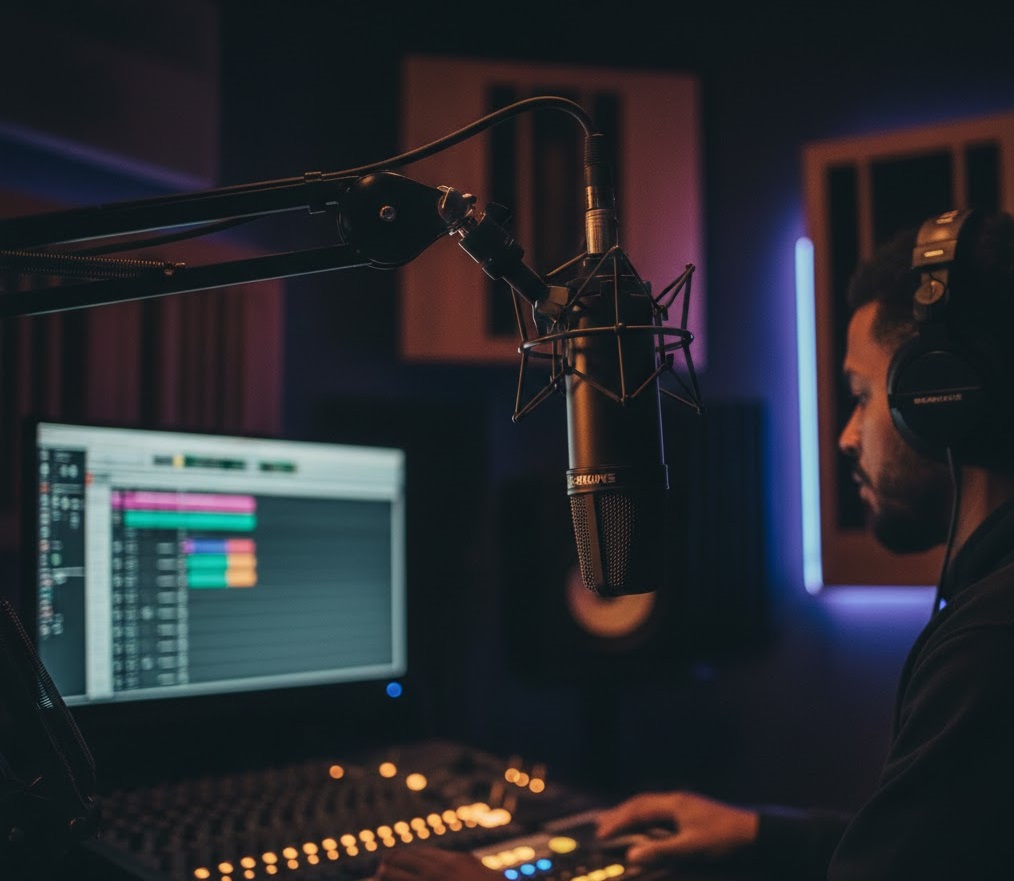
We recently ran a “Blind Listening Test” in our studio. We played two narrations of the same tech review: one by a professional human narrator and one by an ElevenLabs “Professional Voice Clone.”
-
The Result: 80% of our staff couldn’t tell the difference in a short clip.
-
The Nuance: However, over a 10-minute video, the “soul” started to fade. AI voices—no matter how advanced—still struggle with subtext. It doesn’t know when to sound “sarcastically surprised” or “genuinely empathetic” unless it’s manually prompted. A human actor understands the meaning behind the words; an AI only understands the sound of the words.
How We Balance Ethics at Arab Seed News
As a tech publication, we believe in progress, but not at the cost of human creators. Here is the framework we suggest for anyone using voice cloning in 2026:
-
Consent is King: Never clone a voice without a written legal contract, even if the person is a friend.
-
Disclosure: If a video uses an AI voice, be honest. A small “AI-generated voiceover” tag in the description builds trust with your audience.
-
The Hybrid Model: Use AI for temporary “scratch tracks” during editing, but hire a human professional for the final “Hero” version if your budget allows. There is still no replacement for a human connection.
The Final Verdict
AI isn’t just “stealing” voices; it’s forcing us to redefine what makes a voice valuable. In 2026, being a voice actor isn’t just about having a “good voice” anymore—it’s about having a unique personality that AI can’t replicate.
The technology is here to stay, but as creators, we must ensure it serves as a tool for empowerment, not a weapon for replacement.
Related posts:
 Don’t Buy a Cinema Camera in 2026: Why Your Phone + Audio is the Better Investment
 Sora 2 vs. Kling AI: We Tested Both for 7 Days, Here is the Uncomfortable Truth
 Luma Dream Machine vs. Runway Gen-3: We Built a 30-Second Commercial with Both. Here’s the Winner.
 Beyond the Hype: 5 AI Tools That Actually Save Video Editors Time (Not Just Generate Clips)