By Arab Seed News Entertainment Desk
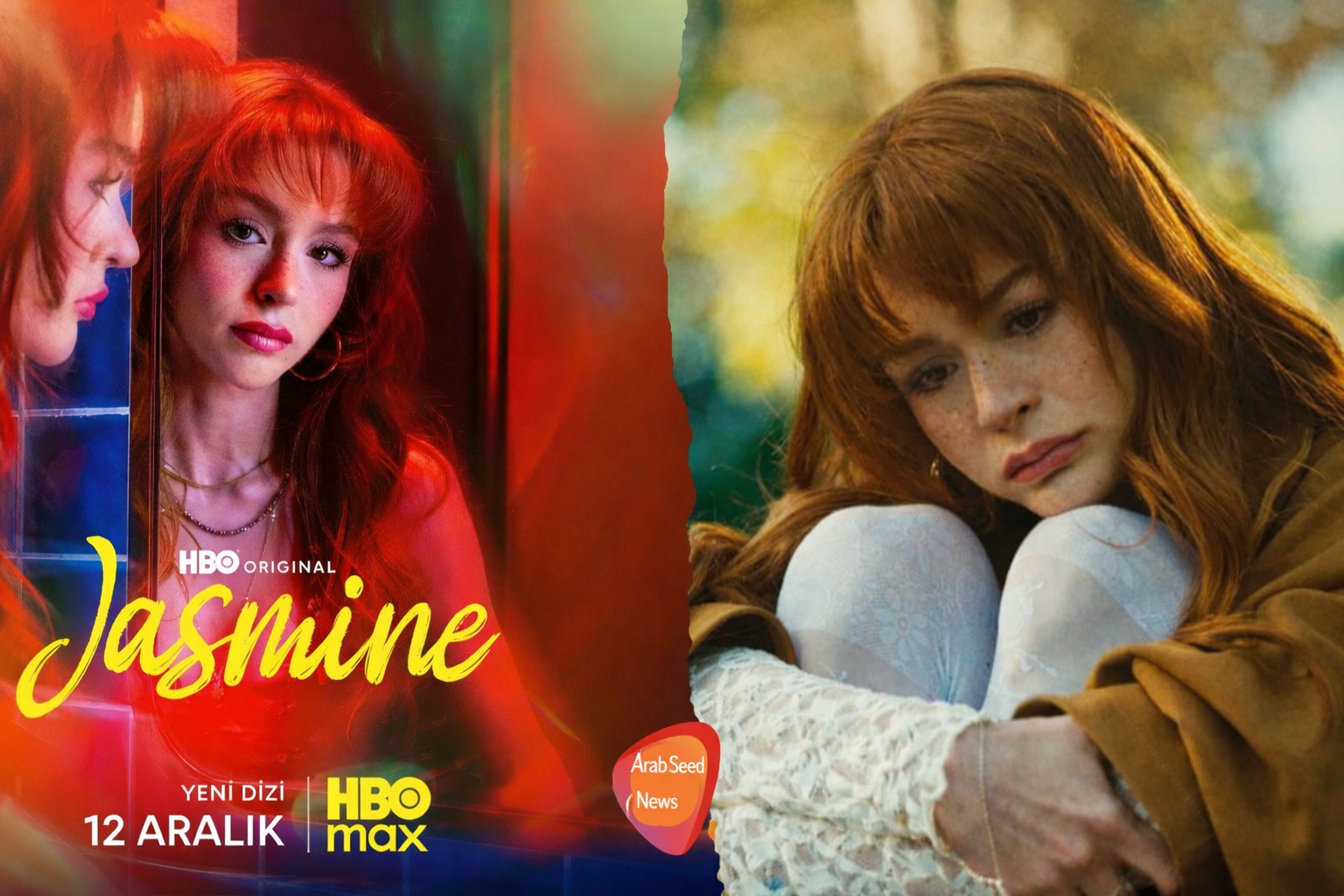
The Turkish streaming market is currently reeling from a move that many are calling a “digital earthquake.” The drama series Jasmine has been abruptly pulled from the TV+ platform, vanishing from the library almost overnight. This wasn’t a technical glitch; it was the result of a high-stakes intervention by the Radio and Television Supreme Council (RTÜK), Turkey’s powerful media watchdog.
The decision has reignited an old but fierce debate: in an era of borderless digital streaming, where does a government’s right to “protect public morality” end and a creator’s right to artistic freedom begin?
The Sudden Disappearance
The controversy began quietly. Following a routine update to the TV+ app—which operates locally through a licensing partnership with HBO Max—subscribers noticed that Jasmine was simply gone. No “final chance to watch” banner, no press release, just a blank search result.
As the news broke that the removal was linked to a formal morality probe by RTÜK, the silence from TV+ has been deafening. By refusing to clarify whether this is a permanent ban or a temporary suspension for “re-editing,” the platform has left fans and industry insiders in a state of frustrated limbo.
One Show, Two Worlds
Perhaps the most jarring part of this story is the digital divide it has created. If you are a viewer in Istanbul using TV+, the show is non-existent. However, for a viewer in London or New York, Jasmine remains fully available on HBO Max.
This highlights a growing crisis for global streaming giants. As these platforms expand into markets with vastly different cultural and legal benchmarks, they are increasingly forced to choose: uphold a global creative standard or bow to local regulatory pressure? In this case, local pressure won.
What Triggered the Watchdog?
RTÜK’s investigation isn’t just about a few “bold” scenes; it’s a fundamental critique of the show’s DNA. The council’s formal grievances argue that Jasmine poses a threat to the very fabric of society. Their claims include:
-
The Erosion of Family Values: Alleging the plot undermines traditional household structures.
-
National Moral Conflict: Claiming the themes are “un-Turkish” or contrary to local ethics.
-
Exploitation: Suggesting the narrative’s depiction of women crosses the line from drama into degradation.
While RTÜK has historically kept a tight leash on “free-to-air” television, this direct strike against a paid digital service is being viewed as a “warning shot” to all streaming platforms operating in the country.Why Jasmine Became a Lightning Rod
On paper, Jasmine sounds like a classic tragedy: a young woman with a terminal heart condition making impossible choices to stay alive. But the execution was anything but traditional. The series embraced a gritty, “European-style” realism, featuring explicit content and complex moral ambiguity that is rarely seen in Turkish-produced dramas.
To its defenders, the show is a masterpiece of modern storytelling—raw, honest, and brave. To its detractors, it was “the most explicit Turkish production ever made,” accusing it of using shock value to gain international attention.
A Turning Point for the Industry
The fallout from the Jasmine investigation is likely to be felt for years. For the Turkish creative community, the message is clear: the “digital safety net” is gone. Writers and directors who once flocked to streaming platforms to escape the rigid rules of national TV now find themselves facing the same scrutiny.
For the viewers, it raises a difficult question: Who gets to decide what is “appropriate” behind a paid subscription wall?
The Bottom Line
As we wait to see if RTÜK will impose heavy fines or if TV+ will attempt a “censored version” of the show, one thing is certain: the rules of the game have changed. The Jasmine case is no longer just about a TV show; it is a test case for the future of digital expression in a globalized world.